Saturday, 18 August 2018

Öland Bridge & Algutsrum Church

Road Trip 2018, Part 9

At the end of Day 2 we arrived at Kalmar, where we had booked rooms for three nights at a hotel on the outskirts of the city, not far from the bridge over to the island of Öland. This suited us well, since we intended to spend one day on Öland, and one day in Kalmar city.

After breakfast on Day 3 (July 18th) we crossed the bridge over to Öland – inaugurated in 1972, and until 1998 the longest bridge in Europe: 6,072 meters long (19,921 ft) and supported by 156 pillars.

DSC04062-002
This photo taken in the evening from Färjestaden on Öland shows the typical silhouette of the bridge.

DSC03878-001

This is a view from the car while we were driving over the bridge in the morning (from the mainland towards the island).

Öland

Our first stop on the island was at Algutsrum Church, which has a rather unusual tower – almost like a lighthouse.

DSC03882-001

The view from that tower is said to be spectacular. We didn’t get up there, but I zoomed in the top of the tower from down below:

DSC03883-001

The first church on this spot was built in the 11th century. That one was made of wood; but was replaced by a stone church in the 12th century. Over the centuries that followed, the church went through a few changes – visually explained on a plaque in the porch:

DSC03895


DSC03881-001

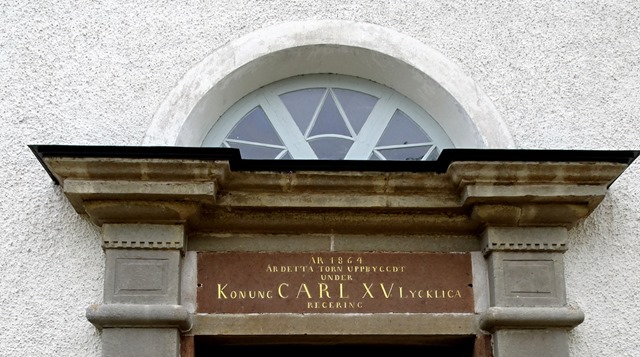
According to the sign over the entrance door, the present tower was built in 1864, “during the happy [!] reign of King Carl XV”.

DSC03881

The door was open, so we went in. The church is beautifully preserved inside as well.

DSC03888


2018-07-18-02 Algutsrum kyrka

DSC03891-002

Votive ships are quite common in Scandinavian churches. They were often made and donated by seamen or ship builders as thanks for having been rescued from being shipwrecked at sea.
2018-07-18-02 Algutsrum kyrka1

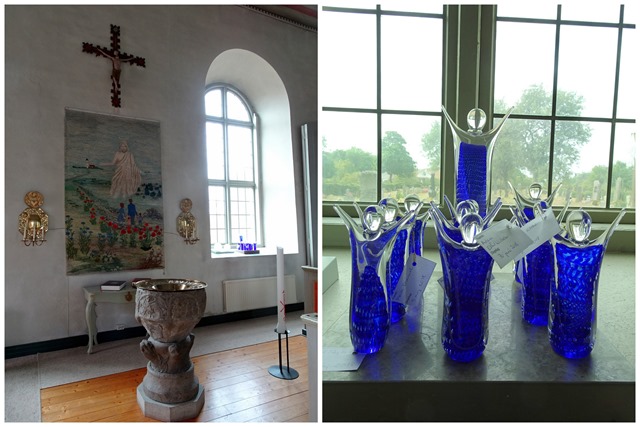
Left: Baptismal font. Right: Glass sculpture also connected to baptism; with the names of the recently baptised written on little pieces of paper held by the figurines. I don’t think I’ve ever come across this practice before, but we saw more than one similar arrangement in churches we visited on this trip.

DSC03896

DSC03897

Beautiful iron gate

DSC03887

Old sundial outside the church.

DSC03885

Autumnlike colours, yellow grass and bare tree silhouettes giving a hint to how extremely hot and dry this summer was (and this was still only mid July). We were to see a lot more of this before our day on Öland was over.

Between the trees on the horizon I also zoomed in our first windmill of the day:

DSC03884

An internet search informs me that at the end of the 19th century there were around 2000 windmills on Öland. About 350 are still preserved. We did not visit all of them; but we did see quite a few more before the end of the day!


SkyWatch Friday


InSPIREd Sunday


Friday, 17 August 2018

Pukeberg Glassworks

Road Trip 2018, Part 8

DSC03865-001

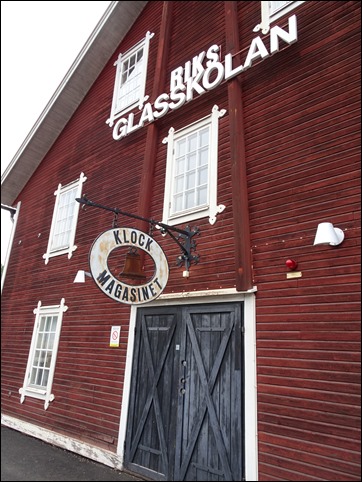
Next stop on our road trip (still on the 2nd day) was Pukeberg, another of Sweden’s oldest and most well-preserved glassworks. Glass in a variety of different forms has been produced here since 1871, including household glassware, lamp glass and glass globes for petrol pumps, as well as beautiful art glassware.

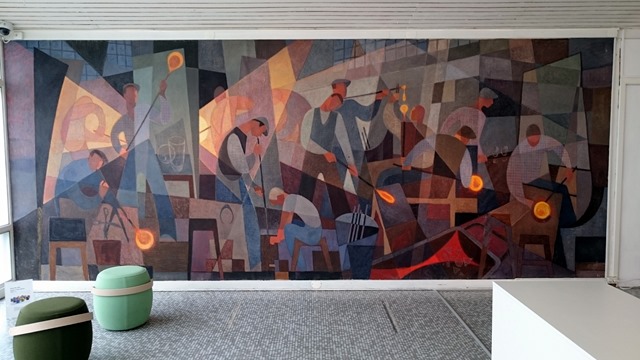
Here we also found Riksglasskolan = The National School of Glass; and some of their projects on display at an exhibition.

DSC03870

DSC03866-001

DSC03867-001

DSC03871

DSC03868


2018-07-17-4 Pukeberg1

In the giftshop I fell in love with this pendant, which I could not resist buying:

2018-07-22-01 Souvenirer 

Because of the variety of colours the pendant goes well with a lot of items in my wardrobe. I especially love those peacock colours, though! Winking smile


Sunday, 12 August 2018

Old Farmhouse at Duvemåla

Road Trip 2018, Part 7

DSC_0019_3

DSC03817

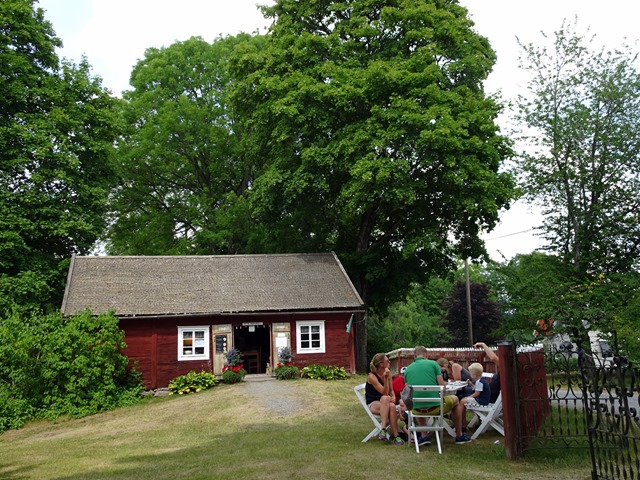
Our next stop between Växjö and Kalmar involved a little detour that took us off the main roads and out into the rural countryside – to an old farmhouse which has been kept as a museum, and also offers a charming garden café.

It was here, at Duvemåla, that the author Vilhelm Moberg got much of his inspiration for his Emigrant Novels (previously introduced in the post including our visit to the House of Emigrants in Växjö).

Moberg’s grandmother Johanna was born in Duvemåla in 1833. At the age of 43, Johanna was left a widow with seven children. She never emigrated to America, but six of her children did (and she never saw them again). The only one who remained in Sweden was her daughter Ida; who in turn also had seven children.  One of those was Vilhelm Moberg - 13 years old when his grandmother died in 1912. Later in life, he paid tribute to her in his novels by letting the main female character in the Emigrants series, Kristina, come from Duvemåla (and when Kristina and Karl-Oskar emigrated to Minnesota, they called their new home over there New Duvemåla).

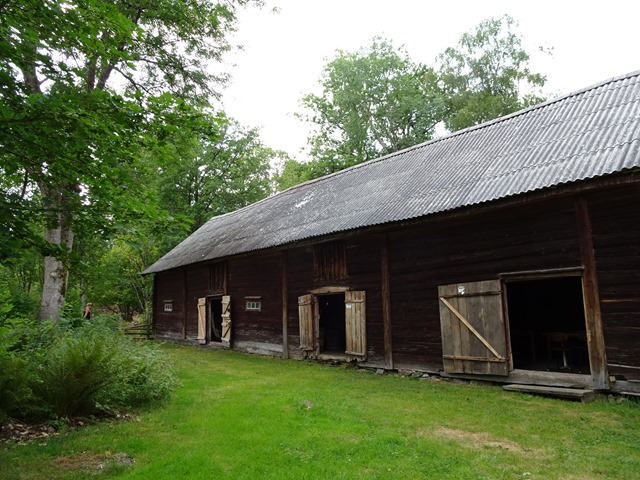
The house where Johanna was born was torn down in the 1930s. But another farmhouse in the little village still stands pretty much as it would have been in the mid 1800s. The people who used to live here were four siblings born in the early 1900s – two sisters and two brothers. Neither of them ever got married, and they kept running the farm just as it had been done in their parents’ day. They never introduced electricity or running water or any kind of modern machinery. No telephone, no TV, etc. They let the forest grow; and saved their money. They did all the farmwork the old-fashioned way (using horses etc), and they were the last farm in the village to keep livestock. The last of the four siblings died in 1989. And as there was no will and no immediate heir, the whole estate then went to the Swedish Inheritance Fund*, which in this case granted an application from the municipality to take over the property and keep it as a cultural heritage.

*[Allmänna arvsfonden - When a person in Sweden dies without a written will and no living spouse or close family, his or her property is transferred to this fund, which in turn supports various charities etc.]

2018-07-17-3 Duvemåla

2018-07-17-3 Duvemåla1

DSC03840

DSC03841

DSC03842

DSC03845

DSC03846

2018-07-17-3 Duvemåla7

2018-07-17-3 Duvemåla3

2018-07-17-3 Duvemåla5

DSC03822

2018-07-17-3 Duvemåla4

2018-07-17-3 Duvemåla6

We finished off our visit with delicious home-made apple cake and vanilla custard out in the garden, under an apple tree… (In Moberg’s books, Kristina brings apple seeds from Sweden and plants them – eventually –  at their new home in Minnesota…)


Through My Lens

Thursday, 9 August 2018

Kosta Boda Glassworks & Art Gallery

Road Trip 2018, Part 6

DSC_0018_5

From Växjö we went on to Kosta Glasbruk, the oldest, largest and most famous glassworks in Sweden. It was founded in 1742 by two foreign officers in king Charles XII's army, and the name of the place is actually made up of parts of both their surnames, Ko(skull) + Sta(el). Many more glassworks were also founded in the surrounding area, which has become known as the "Kingdom of Crystal".

During the first 150 years, Kosta produced standard glassware, such as drinking glasses, bottles or window glass. Later they became known for employing creative glass designers as well as skillful glassblowers. Together, they develop new techniques and improve existing procedures. Nowadays Kosta has merged with Boda glassworks, and is still producing various kinds of both utility and art glassware.

Today, the premises surrounding the glassworks has grown into a gigantic shopping mall including all kinds of retail outlet stores – not only glassware, but for example clothes as well. The glassworks is also open to visitors. You can observe glassblowers at work or participate in a guided tour; but we did not do that on this occasion. For one thing, the day was hot enough anyway (!) - and we also knew we were going to have more opportunities like that at other glassworks on our trip.

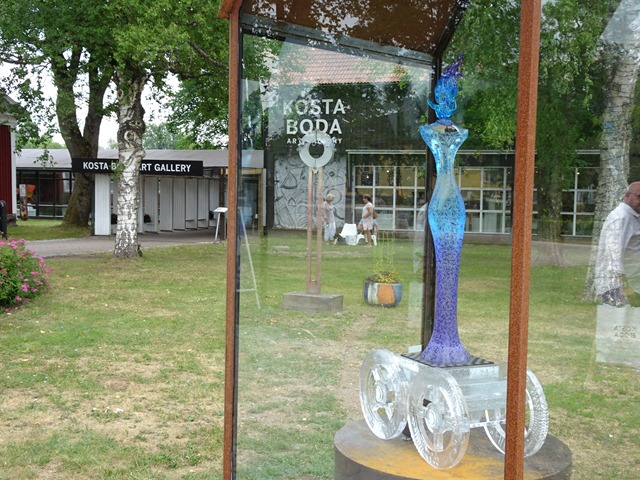
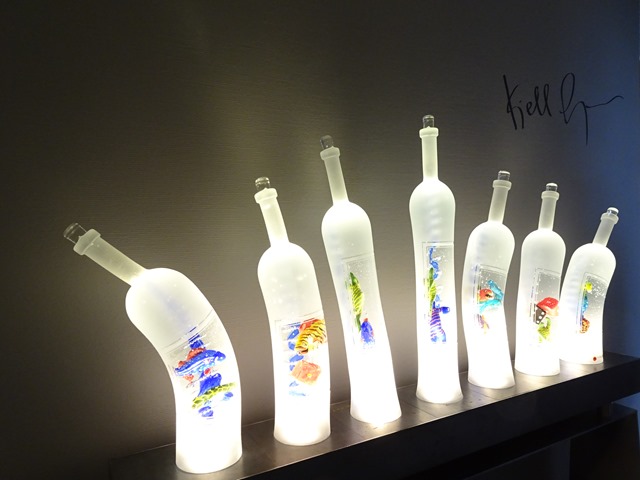
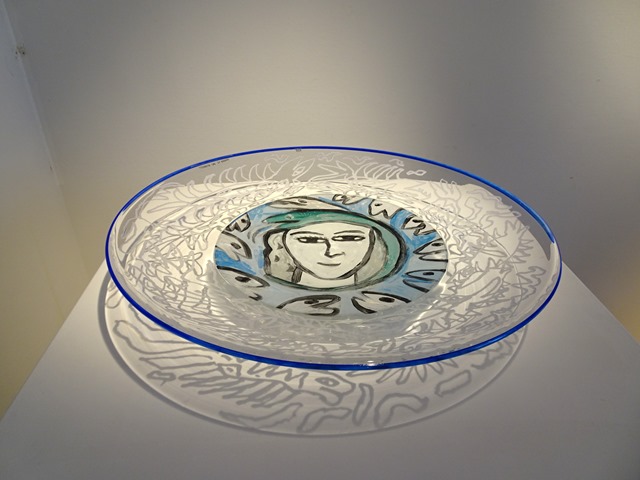
As it was lunchtime when we arrived, we started with lunch at the Outlet restaurant (…not at the luxurious spa hotel which can also be found within the premises…) After that we focused on the Kosta Boda Art Gallery, where a number of very impressive artworks made of glass are displayed – and, before we left, also a visit to the glassware retail outlet.

DSC03769

DSC03772

DSC03774

DSC03775

DSC03771 

DSC_0016_4

DSC_0015_5

DSC03777

DSC03779

DSC03780

DSC03785

DSC03786 DSC03789

DSC03791

2018-07-17-2 Kosta Boda

DSC03803

So many wonderful things to see, and so many names to forget…! But some of the artists whose impressive work we had recently seen in Växjö Cathedral and the Swedish Glass Museum were represented here as well – like Bertil Vallien (above) and Ulrica Hydman-Vallien (below).

DSC03807

DSC03810

…

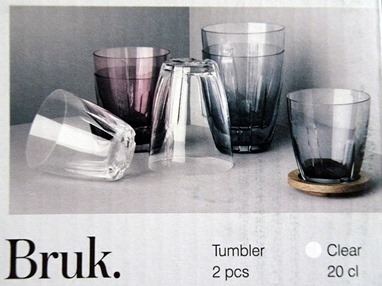
As souvenir from this glassworks I chose to buy six ordinary, clear drinking glasses, though – because I needed some, and I liked them, and they’re something I can use every day!

DSC04656

DSC04658

Note: Bruk in Swedish can mean either ‘works’ (factory) or ‘use’

Related Posts Plugin for WordPress, Blogger...