Showing posts with label emigration. Show all posts

Sunday, 12 August 2018

Old Farmhouse at Duvemåla

Road Trip 2018, Part 7

DSC_0019_3

DSC03817

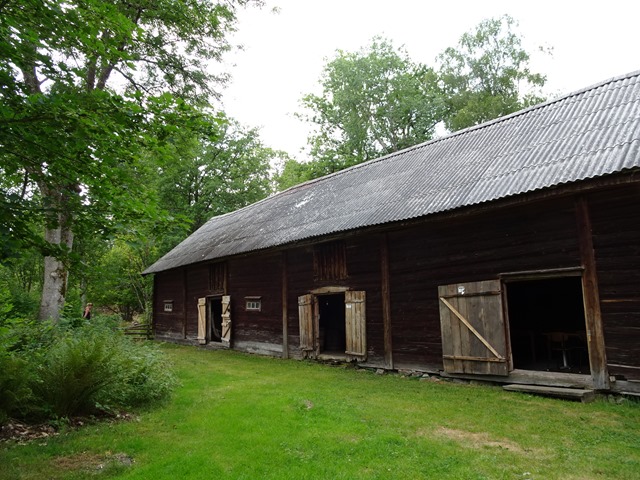
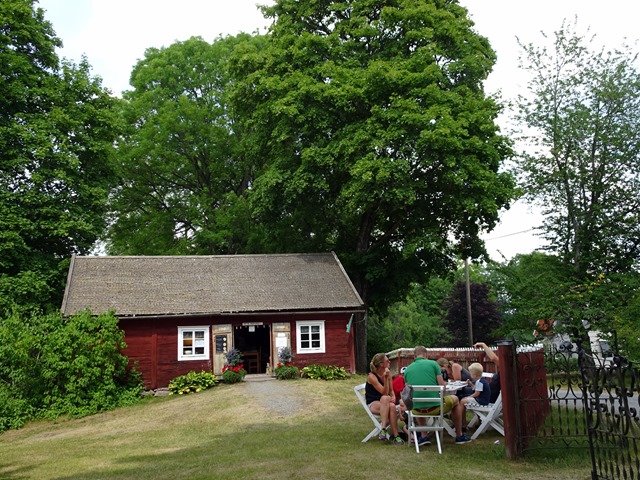
Our next stop between Växjö and Kalmar involved a little detour that took us off the main roads and out into the rural countryside – to an old farmhouse which has been kept as a museum, and also offers a charming garden café.

It was here, at Duvemåla, that the author Vilhelm Moberg got much of his inspiration for his Emigrant Novels (previously introduced in the post including our visit to the House of Emigrants in Växjö).

Moberg’s grandmother Johanna was born in Duvemåla in 1833. At the age of 43, Johanna was left a widow with seven children. She never emigrated to America, but six of her children did (and she never saw them again). The only one who remained in Sweden was her daughter Ida; who in turn also had seven children.  One of those was Vilhelm Moberg - 13 years old when his grandmother died in 1912. Later in life, he paid tribute to her in his novels by letting the main female character in the Emigrants series, Kristina, come from Duvemåla (and when Kristina and Karl-Oskar emigrated to Minnesota, they called their new home over there New Duvemåla).

The house where Johanna was born was torn down in the 1930s. But another farmhouse in the little village still stands pretty much as it would have been in the mid 1800s. The people who used to live here were four siblings born in the early 1900s – two sisters and two brothers. Neither of them ever got married, and they kept running the farm just as it had been done in their parents’ day. They never introduced electricity or running water or any kind of modern machinery. No telephone, no TV, etc. They let the forest grow; and saved their money. They did all the farmwork the old-fashioned way (using horses etc), and they were the last farm in the village to keep livestock. The last of the four siblings died in 1989. And as there was no will and no immediate heir, the whole estate then went to the Swedish Inheritance Fund*, which in this case granted an application from the municipality to take over the property and keep it as a cultural heritage.

*[Allmänna arvsfonden - When a person in Sweden dies without a written will and no living spouse or close family, his or her property is transferred to this fund, which in turn supports various charities etc.]

2018-07-17-3 Duvemåla

2018-07-17-3 Duvemåla1

DSC03840

DSC03841

DSC03842

DSC03845

DSC03846

2018-07-17-3 Duvemåla7

2018-07-17-3 Duvemåla3

2018-07-17-3 Duvemåla5

DSC03822

2018-07-17-3 Duvemåla4

2018-07-17-3 Duvemåla6

We finished off our visit with delicious home-made apple cake and vanilla custard out in the garden, under an apple tree… (In Moberg’s books, Kristina brings apple seeds from Sweden and plants them – eventually –  at their new home in Minnesota…)


Through My Lens

Monday, 6 August 2018

Museums of History, Glassware and Emigration

(Road Trip 2018, Part 5)

On Tuesday morning (17th July), after having checked out from the hotel, but before leaving Växjö, we visited Smålands Museum, The Swedish Glass Museum and The House of Emigrants – all situated in the same park.

DSC03732

Smålands Museum

Established in 1867, Smålands museum is Sweden’s oldest county museum. Its permanent exhibitions include objects and historical items from the Stone Age and onwards. The museum also displays temporary exhibitions.

2018-07-17-1 SmålandsMuseum

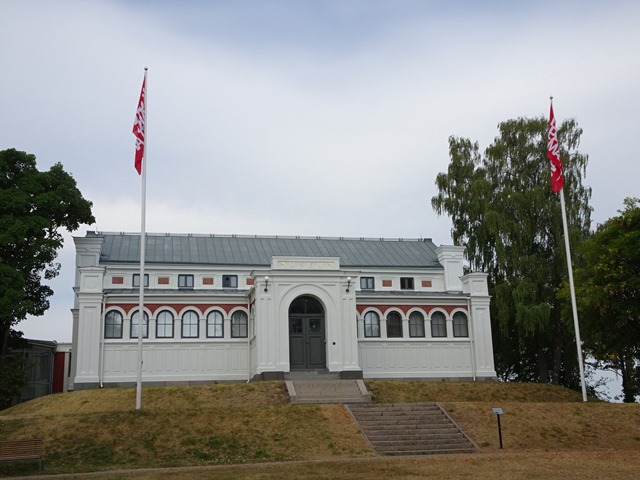
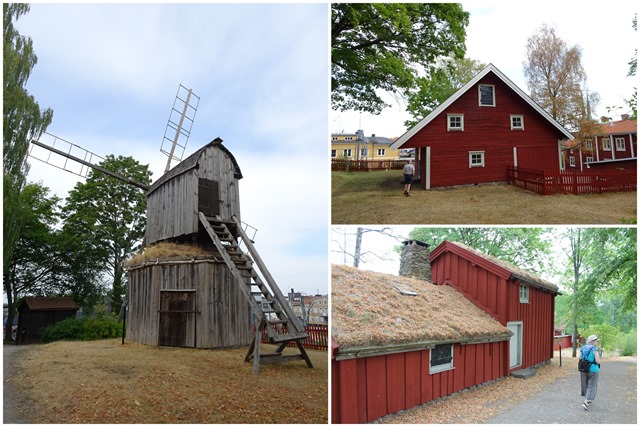
▲Old buildings in the museum park.
▼Sceneries and objects from inside the museum

DSC03765

Shoemaker’s workshop

DSC03766

Old bicycle with a steering wheel

DSC03767

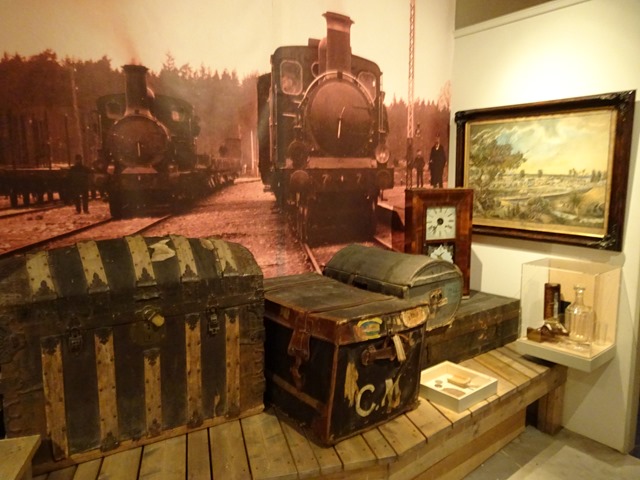
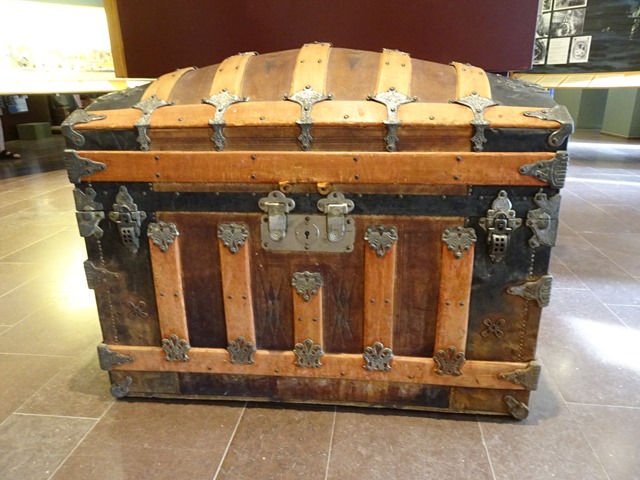
Old luggage trunks, often called “American trunks” here, because of so many people emigrating to America in the 1800s and early 1900s.

DSC03760-001

Church organ built in 1690 by organ- and keyboard instrument maker Hans Heinrich Cahman Cahman, Stockholm (c. 1640-1699)


DSC03750

The Swedish Glass Museum

The Swedish Glass Museum has been collecting glass and documents from Swedish glassworks for over 80 years, making up one of the largest and most extensive collections in Europe. Today, the collection includes around 40,000 items of glassware, from 105 Swedish glassworks, dating from the 1580s up to the present day. The Swedish Glass Museum also runs research and documentation programs concerning glass and glass handling.

DSC03755

Looking down from above into the gift shop.

DSC03759-002

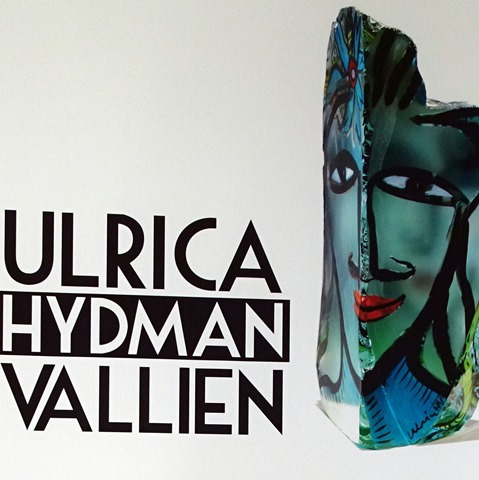
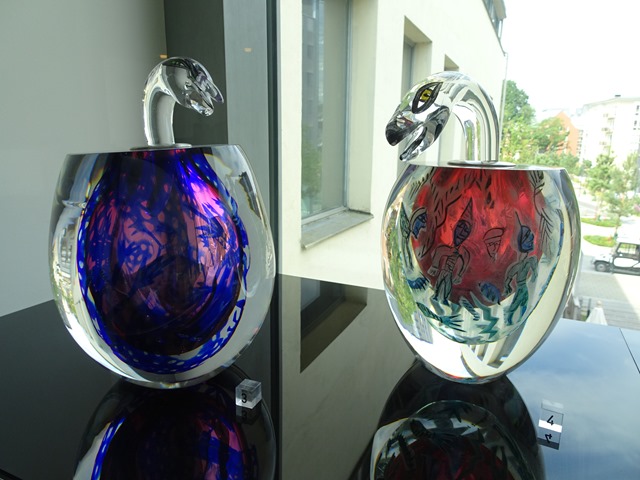
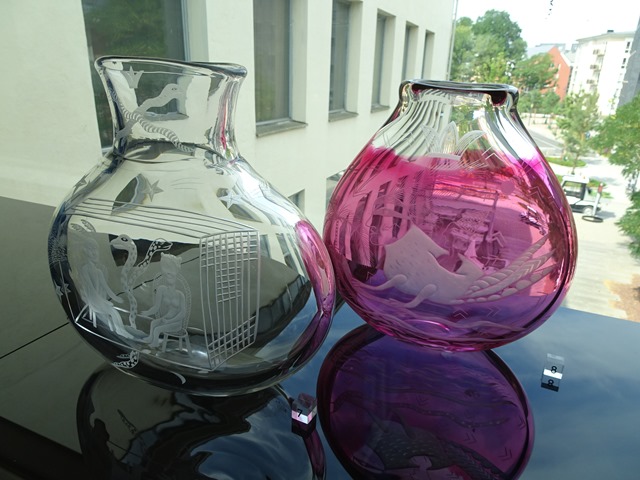
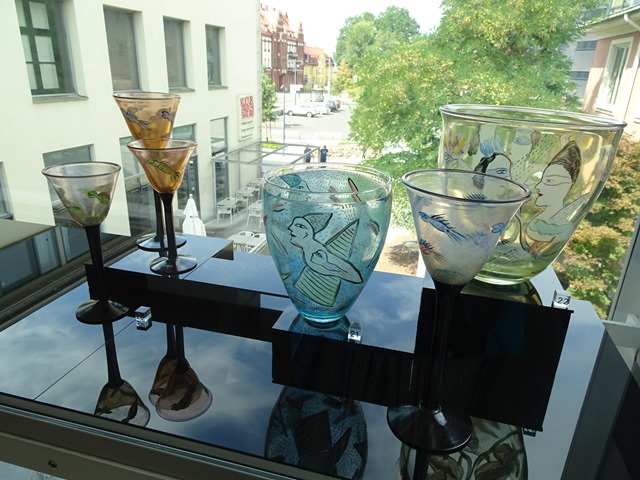
Ulrica Hydman Vallien (24 March 1938 – 21 March 2018) was a Swedish artist who specialized in stained glass and decorative painting. In Sweden, she became best known for her vases with motifs of sinuous snakes, tulips and wolves. She was married to Bertil Vallien, who made the altar-screen in Växjö Cathedral (see my previous post). There was a special exhibition of her works just now, as she died earlier this year:

DSC03753

DSC03754

DSC03756

DSC03757

(There will be more glass art in future posts as we also visited four glassworks on our trip.)


The House of Emigrants

DSC03743

The House of Emigrants (built in 1968) includes an archive, library, museum, and research center on the Emigration period as well as the current Immigration in Sweden.

2018-07-17-1 Utvandrarnas Hus

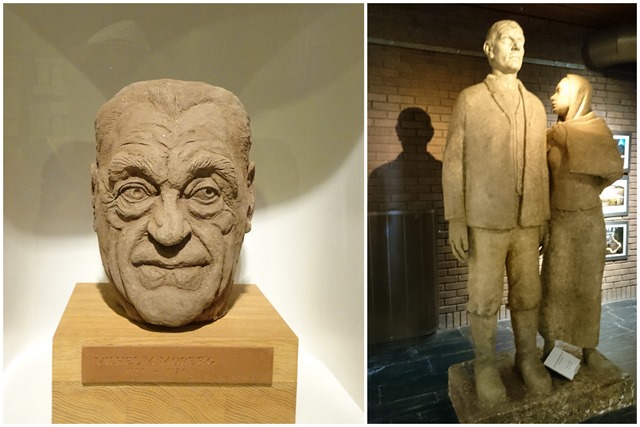
The House of Emigrants also features a reconstruction of the author Vilhelm Moberg’s study, with his authentic furniture and other belongings.

2018-07-17-1 Mobergs3

Moberg is best known for his Emigrants series. The individual titles of the four novels are: Utvandrarna (The Emigrants), Invandrarna (The Immigrants), Nybyggarna (The Settlers) and Sista brevet till Sverige (The Last Letter to Sweden). They have all been translated into English, and are generally considered to be among the best pieces of Swedish literature. They were also made into two films by Jan Troell back in the early 1970s (starring Max von Sydow and Liv Ullman). In the 1990s, the musical Kristina från Duvemåla* by former ABBA members Björn Ulvaeus and Benny Andersson also became a great success, both in Sweden and abroad. *(Later on the same day of our trip, we also visited the real Duvemåla.)

The main characters of the novels, Karl-Oskar and Kristina (emigrating from Småland to Minnesota), have kind of become national symbols in Sweden for the whole period of emigration to North America back between the mid 1800s and into the early 1900s. I think that in our time (with lots of immigrants coming to Europe rather than emigrants leaving), we do need to be reminded every now and then, that it’s really only been a century or so since the situation was reversed…

Utvandrare anländer till Göteborg

Postcard of a painting from 1872 showing “emigrants arriving at Göteborg/Gothenburg” (to take a ship from there to America)

(Coincidence: Just after I got home from our trip, Swedish Television started sending reruns of the 1970s Emigrants films as TV-series… So I’ve been watching!)


Our World Tuesday


Related Posts Plugin for WordPress, Blogger...