Monday, 25 July 2022

Karlstad - Alsters Herrgård

Sunday, 10 July 

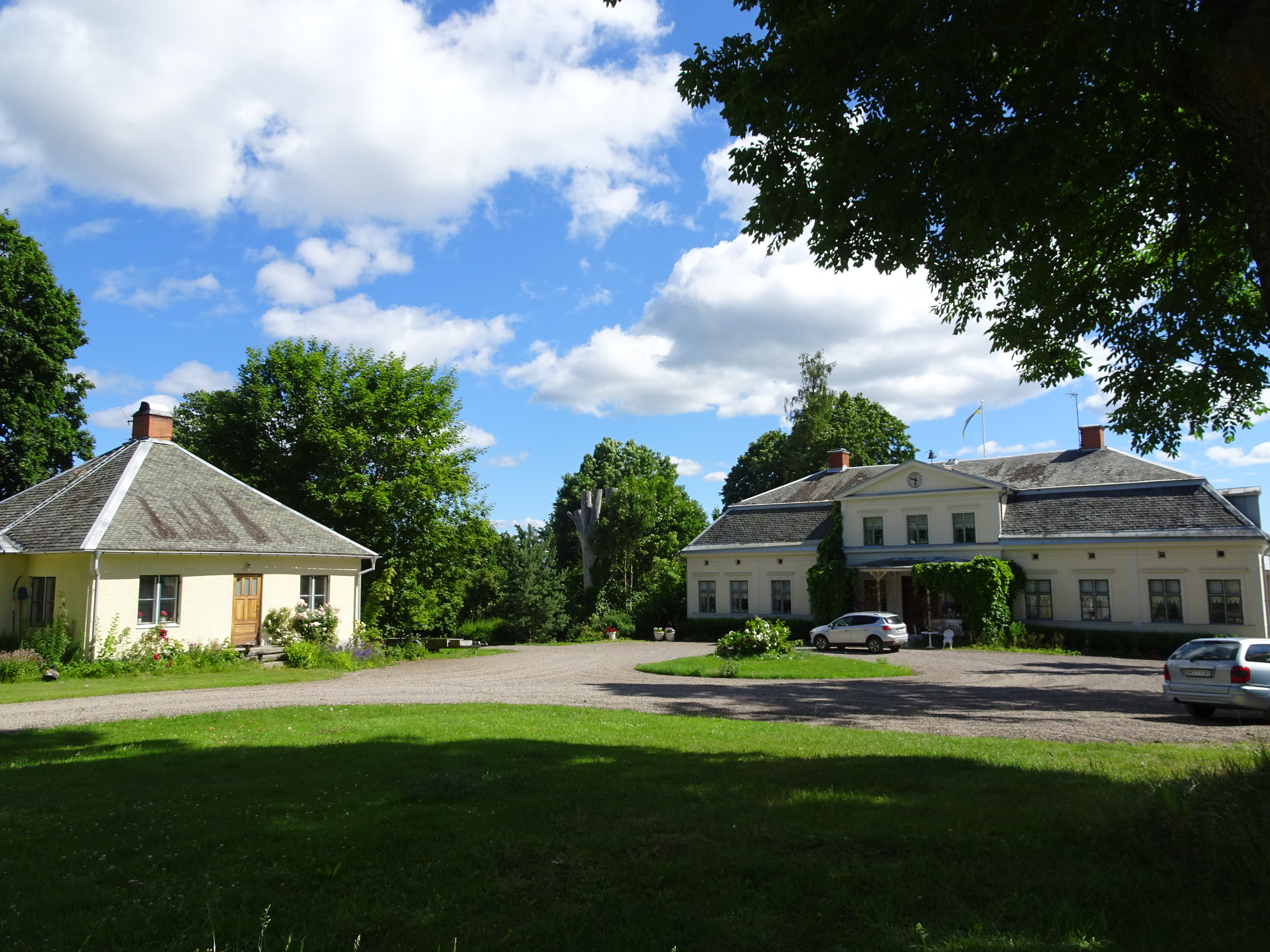
After two days "on the road", Sunday seemed a good day to just stay in Karlstad. We drove out to an old manor house just outside town to have lunch, though: Alsters Herrgård. 


A famous Swedish poet was born here in 1860:

 Gustaf Fröding. 


Fröding often wrote in his own regional dialect (värmländska / Wermlandian). Many of his poems have been set to music and recorded by well-known Swedish singers. 

Since 1976 the manor where he was born has been kept as a kind of museum in memory of him. I remember visiting while I lived in Karlstad (1975-85), but back then I think there was only a small café. Now they also offer lunch - at least during the summer tourist season - and in the side buildings (wings) there are little shops selling arts and crafts and other souvenirs.


Out in the park there are some playful sculptures.

 
(The "wool" on these sheep was made of ropes.)

Sunday, 24 July 2022

Karlstad - Saturday Evening Walk

 Saturday, 9 July (continued)

After what seemed quite a long day (with visiting the cathedral in Linköping in the morning, before checking out from the hotel; and then four stops along the way) we arrived in Karlstad some time in the late afternoon. There we stopped at one of the big shopping centres on the outskirts to buy some groceries, before driving on to where my brother lives - a quiet side-street within walking distance from the city centre. 


As it was a nice evening, we decided to go for a short walk in that direction a bit later. However, as we approached the City Hotel and main square (a block behind), it became obvious that there was some event with very loud music going on in town, and also lots of people about.

There were also big old cars from the previous century driving around, competing with the background noise from the square. A 'powerful' reminder that I was back in the province of Värmland, where this subculture was and still seems to be more dominant than where I live now... We call them raggare - and conveniently, if you click that link, that will take you to a Wikipedia article in English which explains that phenomenon further. For those of you who just want a short summary, I'll just quote one sentence: "While the raggare movement has its roots in late 1950s youth counterculture, today it is associated mainly with middle-aged men who enjoy meeting and showing off their retro American cars."


 ▲Raggarbilar driving past the tables outside the City Hotel restaurant.▼

As this was not our idea of relaxation after a long day of driving, we turned around, and steered our walk in the opposite direction instead - along an old street along the river Klarälven, with some nice old wooden houses preserved. Going that way, we soon left the noise of the city behind us.


A modern mural had also found its way in among the old houses, though:


We crossed the river on a bridge quite a bit further on, and walked back on the other side. With Klarälven being a much wider river than the one running through Borås (where I live), the bridges crossing it are also farther apart... Which is something one has to remember to take into consideration when going for a walk! I was really tired when we got back, but I did enjoy the walk, as it brought back a lot of memories. (I lived in K-d myself for ten years back in my youth; but now many years had passed since my last visit. So walking and driving around the city now was a constant mix of old memories and taking in changes!)


Saturday, 23 July 2022

Svartå - An Old 'Company Village'

Saturday afternoon, 9 July (continued):

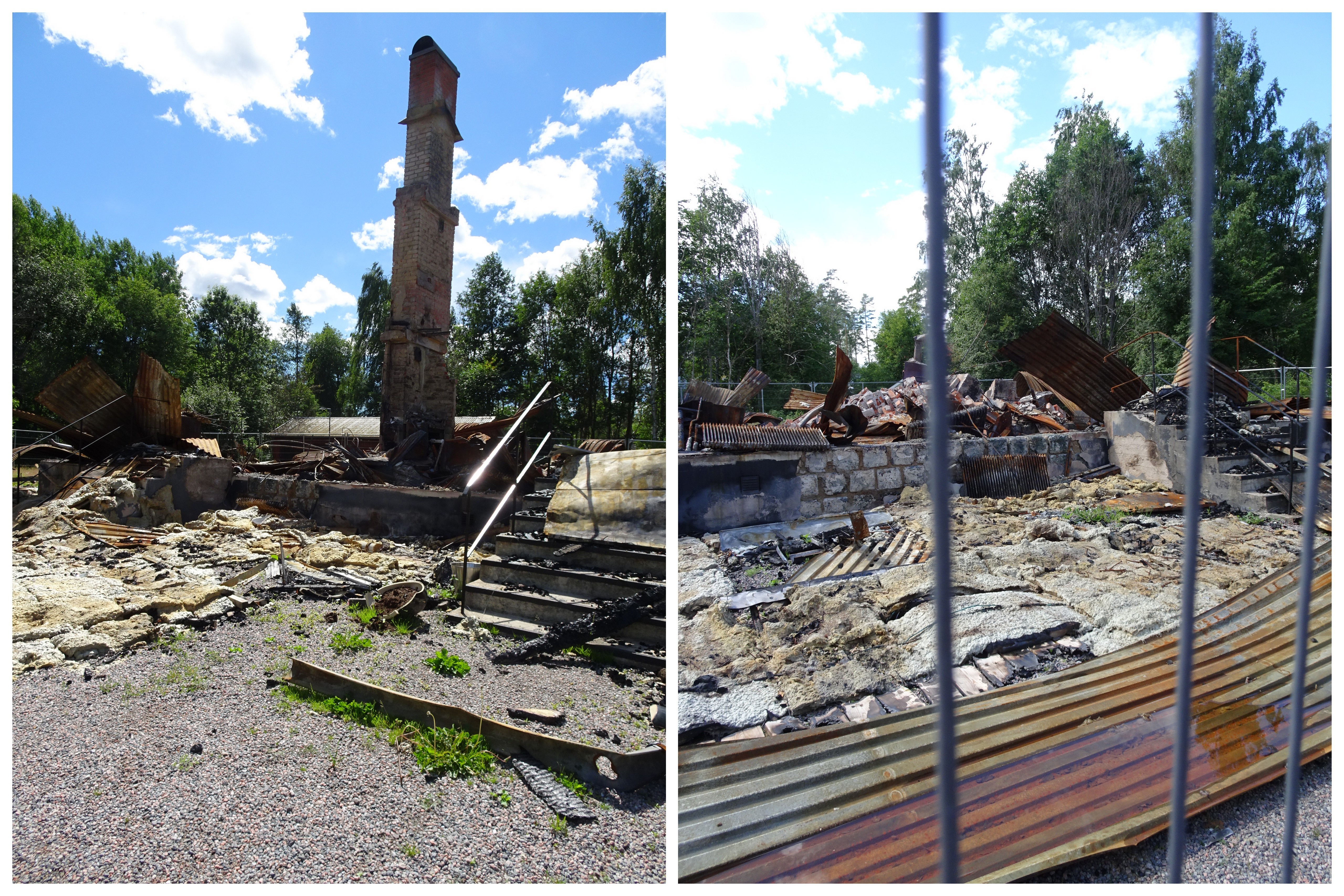
Svartå (the name means Black River) is a village that arose around an iron works founded back in the 17th century. Very little remains of the old mill itself now. Most of it was torn down back in the 1970s; but since a more recent fire, there is even less left to be seen.

However, there are some well-preserved old dwelling houses along the main road, and we went for a walk to have a look at those.


This building, where workers at the mill used to live, was called The Castle, because it was the largest house in the village, situated on top of a hill. This was typically where the home of the manager of a mill would be built in a place like this; but in Svartå it was the workers' families who lived up on the hill. The house was built in the mid 1800s and had eleven small flats consisting of either 1 room+kitchen, or just a single room. 

In the 1970s the house stood empty and in serious disrepair; but in 1981 it was taken over by the local history society, whose members put in a lot of voluntary work to restore it to be used as a local community center.

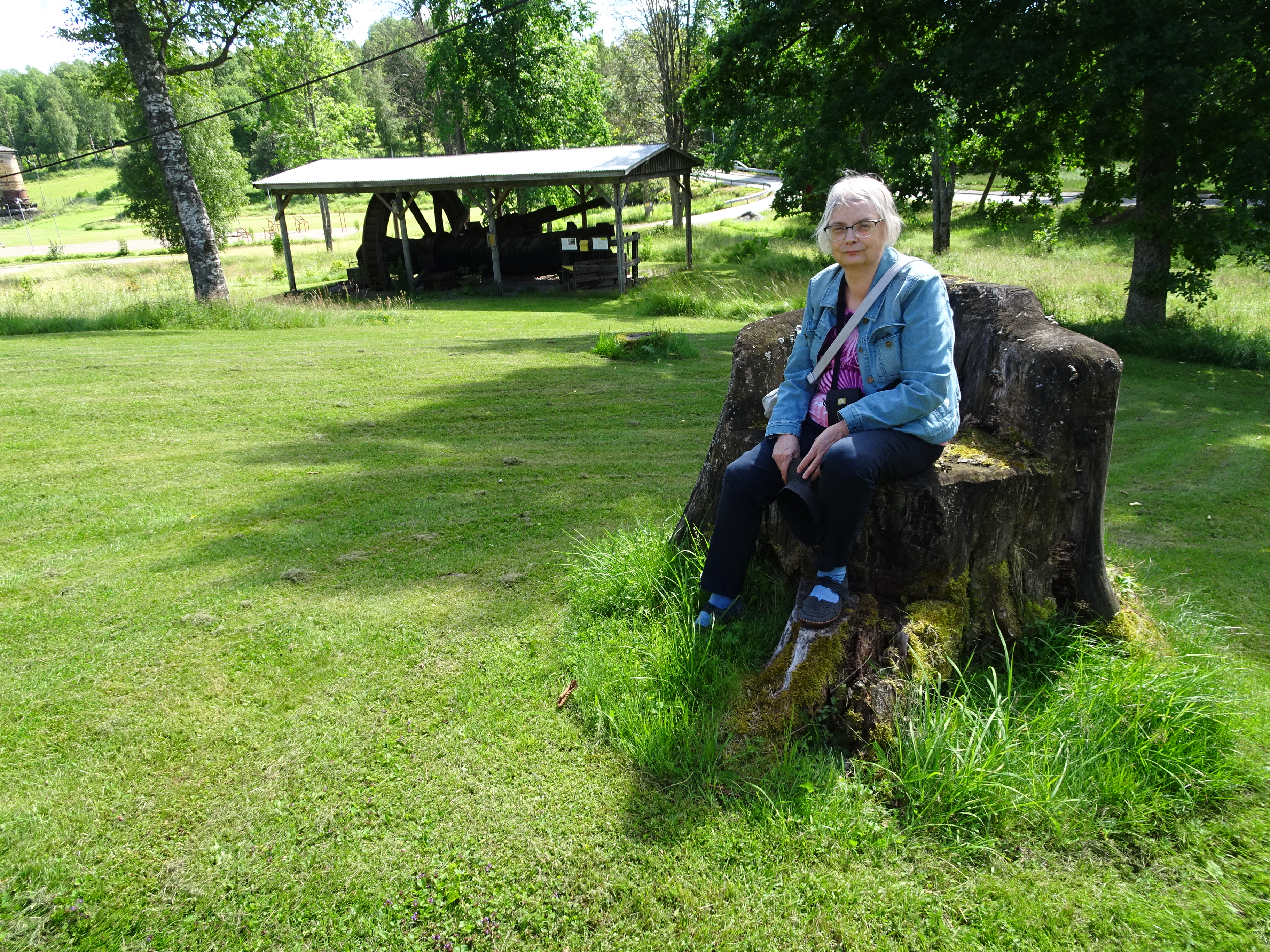
Down below, outdoors, an old stångjärnshammare* (trip hammer) is on display. 

(*The Swedish Wikipedia article includes a couple of video clips that may give you an idea of how it worked, even if you can't read the text.)

 Me having a rest on a 'chair' made from the stump of a big old tree.


Friday, 22 July 2022

Brunneby, Hargebaden, Kullängsstugan

Saturday, 9 July (continued):
Driving from Linköping towards the northern end of Lake Vättern, we caught a glimpse of an unusual church tower, and decided to stop and check it out.

 
It turned out to be an old church or chapel on the grounds of an old estate, Brunneby - where nowadays they have their own production of cider and jam, which they also sell in their own farm shop. We just went to have a look at the church, though.

I forgot to take a photo of a sign that explained its history, but from what I recall, it was built as a church, long ago; later de-consecrated, turned into a barn and just used for storage; but more recently restored and reconsecrated, to again be used as a church/chapel (probably only in summer, judging by its interior).

Brunneby Manor House
 
The Church

Traces of original murals on the walls inside

The (lack of) ceiling left as when it was used as barn.

 - - -

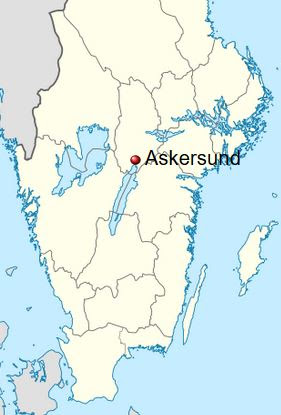
Our next stop was for lunch, at Hargebaden, a beach at the northern end of Lake Vättern, south-east of Askersund. It was a bit windy, so we ate indoors, but with views of the beach and lake. They served a good lunch (I had a Caesar salad) and the place was very far from crowded. (More people were arriving as we left, though.)


 - - -

From Askersund we continued north-west on minor roads. Another place we just happened to see a sign pointing to was this 17th century cottage and barn, which we also decided could be worth a closer look (and it was):


The Swedish text on the sign adds the interesting detail that the sun hits that hole on the front of the porch exactly at noon. So it worked like a kind of sun-dial for them.


Related Posts Plugin for WordPress, Blogger...