Thursday, 9 August 2018

Kosta Boda Glassworks & Art Gallery

Road Trip 2018, Part 6
DSC_0018_5

From Växjö we went on to Kosta Glasbruk, the oldest, largest and most famous glassworks in Sweden. It was founded in 1742 by two foreign officers in king Charles XII's army, and the name of the place is actually made up of parts of both their surnames, Ko(skull) + Sta(el). Many more glassworks were also founded in the surrounding area, which has become known as the "Kingdom of Crystal".

During the first 150 years, Kosta produced standard glassware, such as drinking glasses, bottles or window glass. Later they became known for employing creative glass designers as well as skillful glassblowers. Together, they develop new techniques and improve existing procedures. Nowadays Kosta has merged with Boda glassworks, and is still producing various kinds of both utility and art glassware.

Today, the premises surrounding the glassworks has grown into a gigantic shopping mall including all kinds of retail outlet stores – not only glassware, but for example clothes as well. The glassworks is also open to visitors. You can observe glassblowers at work or participate in a guided tour; but we did not do that on this occasion. For one thing, the day was hot enough anyway (!) - and we also knew we were going to have more opportunities like that at other glassworks on our trip.

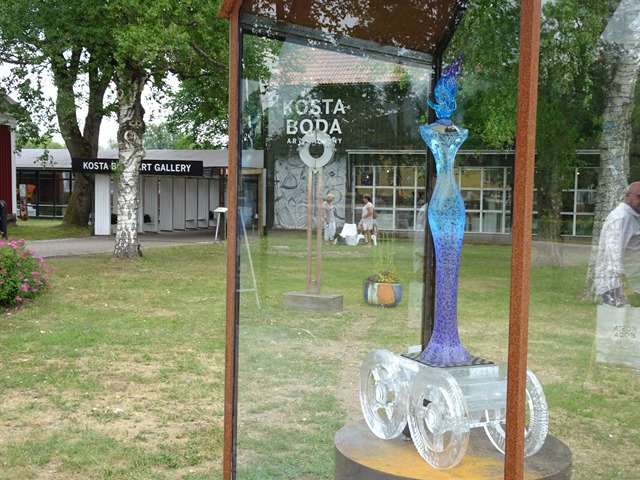
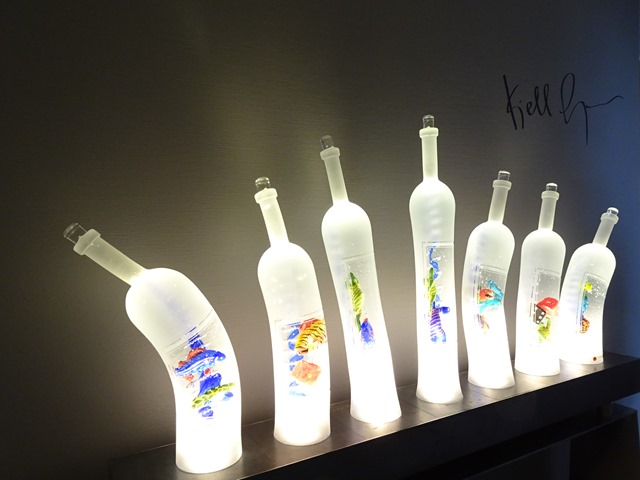
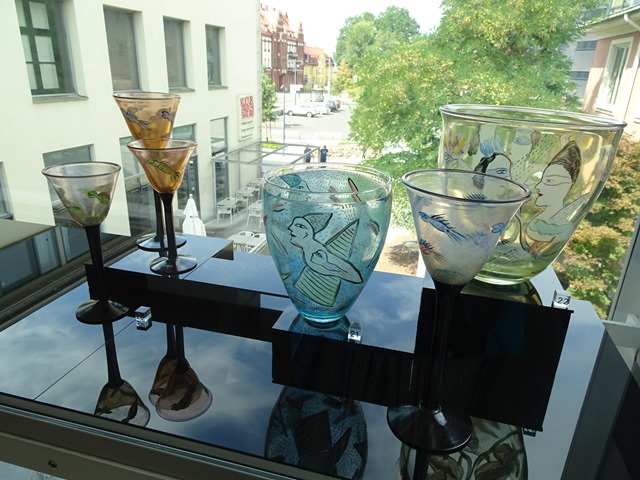
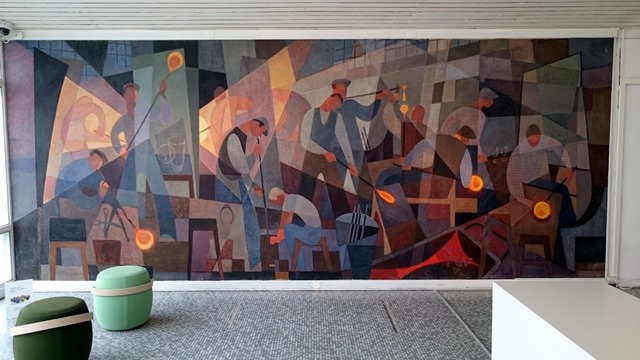
As it was lunchtime when we arrived, we started with lunch at the Outlet restaurant (…not at the luxurious spa hotel which can also be found within the premises…) After that we focused on the Kosta Boda Art Gallery, where a number of very impressive artworks made of glass are displayed – and, before we left, also a visit to the glassware retail outlet.

DSC03769

DSC03772

DSC03774

DSC03775

DSC03771 

DSC_0016_4

DSC_0015_5

DSC03777

DSC03779

DSC03780

DSC03785

DSC03786 DSC03789

DSC03791

2018-07-17-2 Kosta Boda

DSC03803

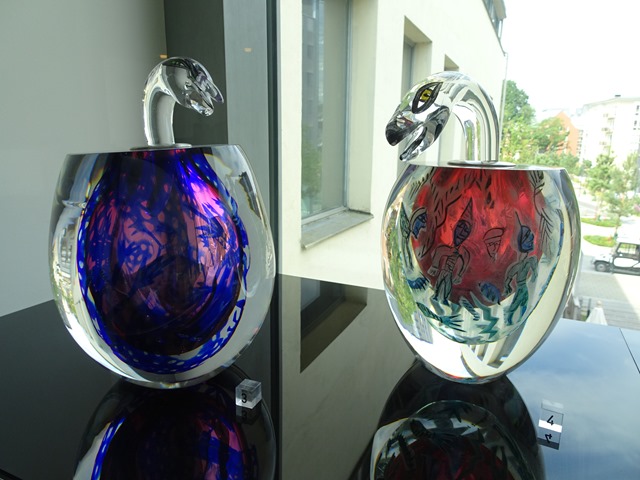
So many wonderful things to see, and so many names to forget…! But some of the artists whose impressive work we had recently seen in Växjö Cathedral and the Swedish Glass Museum were represented here as well – like Bertil Vallien (above) and Ulrica Hydman-Vallien (below).
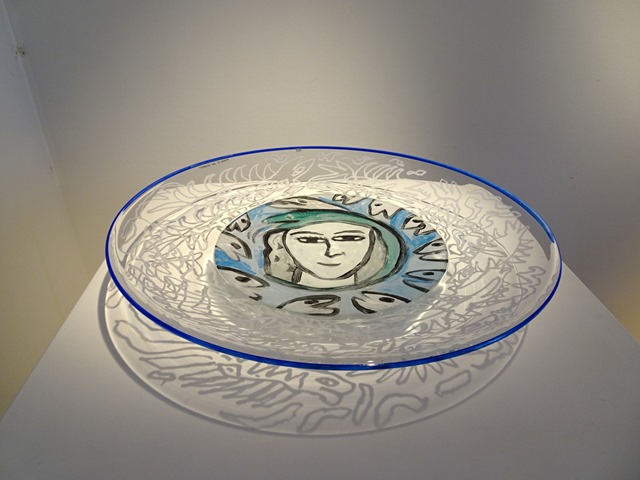
DSC03807

DSC03810

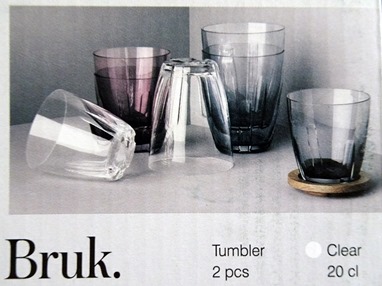
As souvenir from this glassworks I chose to buy six ordinary, clear drinking glasses, though – because I needed some, and I liked them, and they’re something I can use every day!

DSC04656

DSC04658

Note: Bruk in Swedish can mean either ‘works’ (factory) or ‘use’

Monday, 6 August 2018

Museums of History, Glassware and Emigration

(Road Trip 2018, Part 5)

On Tuesday morning (17th July), after having checked out from the hotel, but before leaving Växjö, we visited Smålands Museum, The Swedish Glass Museum and The House of Emigrants – all situated in the same park.

DSC03732

Smålands Museum

Established in 1867, Smålands museum is Sweden’s oldest county museum. Its permanent exhibitions include objects and historical items from the Stone Age and onwards. The museum also displays temporary exhibitions.

2018-07-17-1 SmålandsMuseum

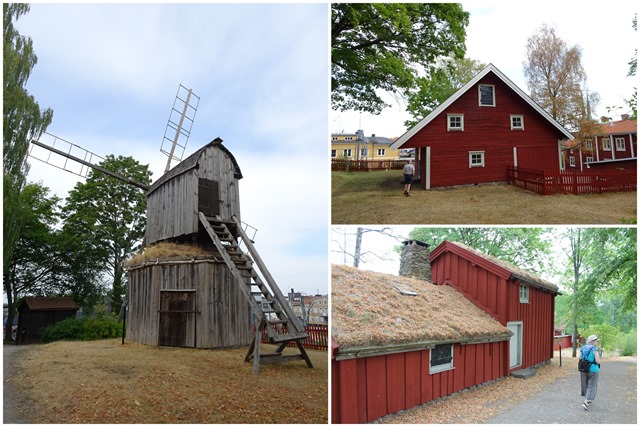
▲Old buildings in the museum park.
▼Sceneries and objects from inside the museum

DSC03765

Shoemaker’s workshop

DSC03766

Old bicycle with a steering wheel

DSC03767

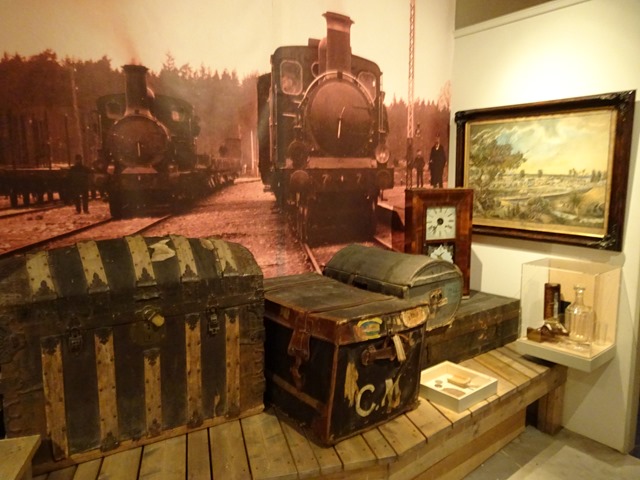
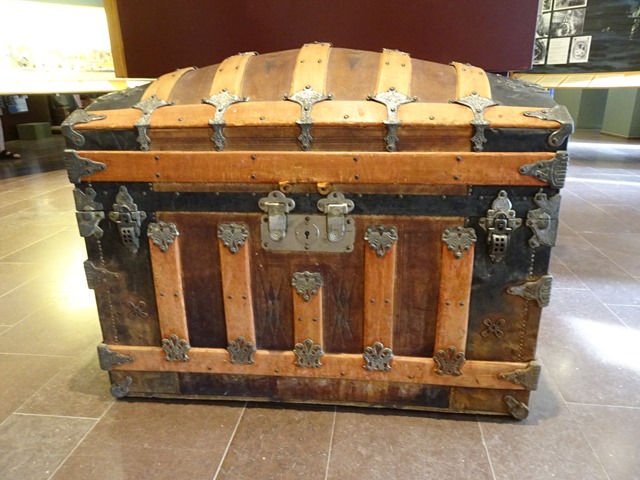
Old luggage trunks, often called “American trunks” here, because of so many people emigrating to America in the 1800s and early 1900s.

DSC03760-001

Church organ built in 1690 by organ- and keyboard instrument maker Hans Heinrich Cahman Cahman, Stockholm (c. 1640-1699)


DSC03750

The Swedish Glass Museum

The Swedish Glass Museum has been collecting glass and documents from Swedish glassworks for over 80 years, making up one of the largest and most extensive collections in Europe. Today, the collection includes around 40,000 items of glassware, from 105 Swedish glassworks, dating from the 1580s up to the present day. The Swedish Glass Museum also runs research and documentation programs concerning glass and glass handling.

DSC03755

Looking down from above into the gift shop.

DSC03759-002

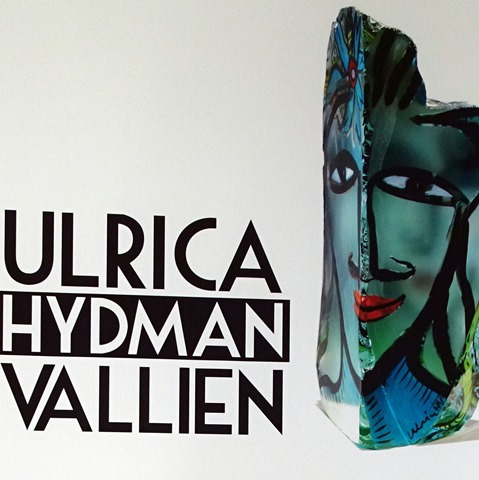
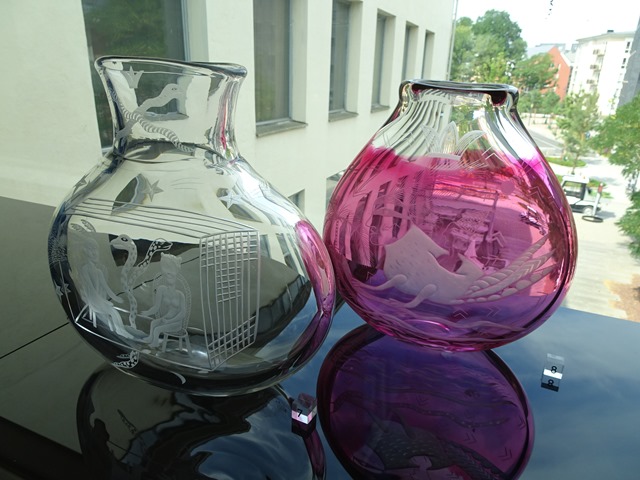
Ulrica Hydman Vallien (24 March 1938 – 21 March 2018) was a Swedish artist who specialized in stained glass and decorative painting. In Sweden, she became best known for her vases with motifs of sinuous snakes, tulips and wolves. She was married to Bertil Vallien, who made the altar-screen in Växjö Cathedral (see my previous post). There was a special exhibition of her works just now, as she died earlier this year:

DSC03753

DSC03754

DSC03756

DSC03757

(There will be more glass art in future posts as we also visited four glassworks on our trip.)


The House of Emigrants

DSC03743

The House of Emigrants (built in 1968) includes an archive, library, museum, and research center on the Emigration period as well as the current Immigration in Sweden.

2018-07-17-1 Utvandrarnas Hus

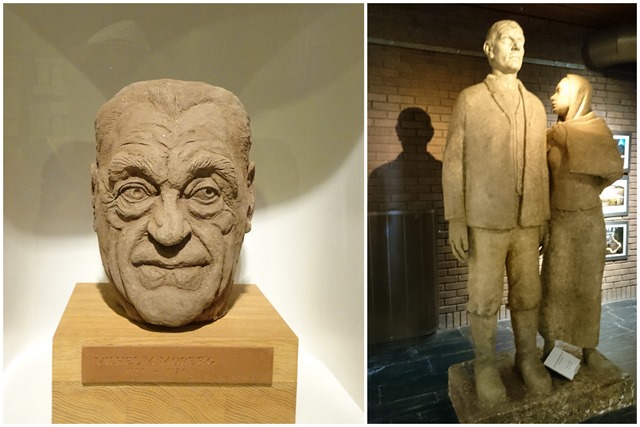
The House of Emigrants also features a reconstruction of the author Vilhelm Moberg’s study, with his authentic furniture and other belongings.

2018-07-17-1 Mobergs3

Moberg is best known for his Emigrants series. The individual titles of the four novels are: Utvandrarna (The Emigrants), Invandrarna (The Immigrants), Nybyggarna (The Settlers) and Sista brevet till Sverige (The Last Letter to Sweden). They have all been translated into English, and are generally considered to be among the best pieces of Swedish literature. They were also made into two films by Jan Troell back in the early 1970s (starring Max von Sydow and Liv Ullman). In the 1990s, the musical Kristina från Duvemåla* by former ABBA members Björn Ulvaeus and Benny Andersson also became a great success, both in Sweden and abroad. *(Later on the same day of our trip, we also visited the real Duvemåla.)

The main characters of the novels, Karl-Oskar and Kristina (emigrating from Småland to Minnesota), have kind of become national symbols in Sweden for the whole period of emigration to North America back between the mid 1800s and into the early 1900s. I think that in our time (with lots of immigrants coming to Europe rather than emigrants leaving), we do need to be reminded every now and then, that it’s really only been a century or so since the situation was reversed…

Utvandrare anländer till Göteborg

Postcard of a painting from 1872 showing “emigrants arriving at Göteborg/Gothenburg” (to take a ship from there to America)

(Coincidence: Just after I got home from our trip, Swedish Television started sending reruns of the 1970s Emigrants films as TV-series… So I’ve been watching!)


Our World Tuesday


Sunday, 5 August 2018

Växjö Cathedral

(Road Trip 2018, Part 4)

DSC03731

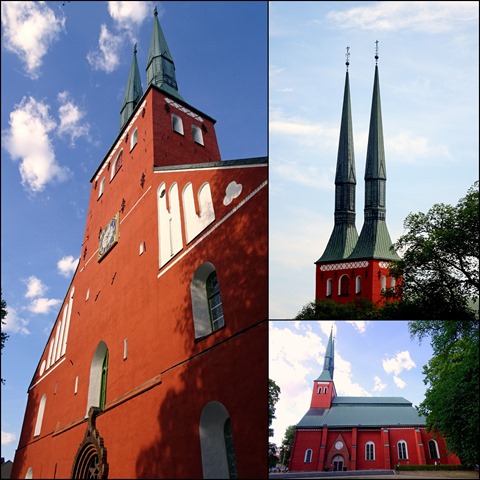
Yes – another double-spired church!

On Monday afternoon (16th July), after having checked into our hotel in central Växjö, we went for a walk to the cathedral (just a few blocks away); arriving there just in time for a drop-in guided tour starting at 5 p.m. I had happened to read about that somewhere on the internet while doing my research for the trip… Only on Mondays in the summer holiday season, so I had kind of expected a bigger turnout. As it happened… Only one other visitor besides us, and two guides to give us a thorough tour of the history and interior of the cathedral!

2018-07-16-6 Växjö Domkyrka1

Växjö Cathedral (Swedish: Växjö domkyrka) in the centre of Växjö, Sweden, is the seat of the bishop of the Diocese of Växjö in the Church of Sweden.

The origin of the church goes back to medeival times. The first bishop of the diocese is said to have been Saint Sigfrid, born in England in the 10th century and active as a missionary-bishop in Scandinavia in the first half of the 11th. St Sigfrid is said to have baptised king Olof Eriksson Skötkonung, the first Christian monarch of Sweden (he reigned c. 995 – c.1023 in Svealand and Götaland – see the map in my introduction post to this roadtrip).

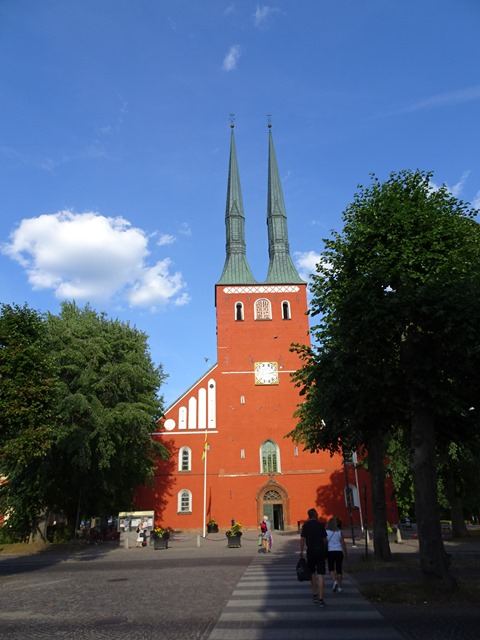
The foundation of the tower is still from the medeival cathedral, built in Roman style and with two spires, reminding of the church at Rydaholm. (But Växjö Cathedral was built with bricks instead of stone.) The original church was destroyed by fire in 1276, and was replaced by a bigger one. The church kept being changed and restored several times through the centuries. It was severely damaged again by fire in 1740; and in the mid 1800s, it was rebuilt in a different style, now without the two spires on the tower. It wasn’t until 1958-60 that the cathedral was again restored to the same look that it had back before 1740, with the double spires on the tower.

DSC03707-001

DSC03708-001

The present-day interior was designed as late as 1995, and includes a lot of wonderful modern glass art – relating to Växjö also being the ‘capital’ of a district in the province of Småland known as the Kingdom of Crystal, famous for its many glassworks and traditions of handblown glass going back to the 1700s. (The tour in the cathedral proved a good introduction for us, as the next day we were also going to visit the Glass Museum in Växjö, and two of the glassworks – and two more of those later on our trip.)

DSC03709-001

Guides and visitors at an old stone baptismal font

DSC03701-001

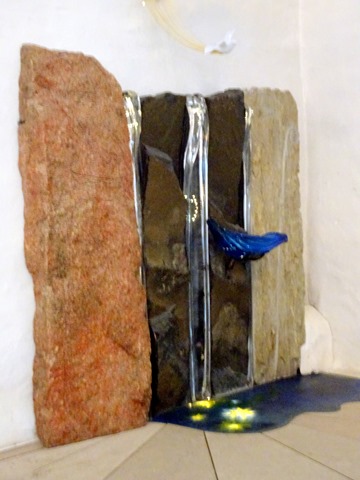
‘The Source of Life’ – a modern baptismal font (stone and glass) designed by Göran Wärff. It involves a lot of symbolism – including images of St Sigfried in the red stone, and of John the Baptist in the the grey stone; and the blue glass bowl is supposed to remind of Noah’s Ark.
2018-07-16-6 Växjö Domkyrka4

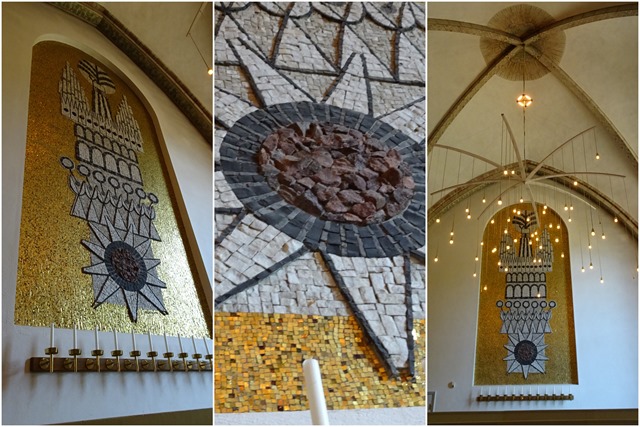
Golden mosaic by Bo Beskow – representing the heavenly Jerusalem.

Possibly the same artist also made these stained glass windows below, but I’m not sure.

2018-07-16-6 Växjö Domkyrka2

DSC03710

DSC03714-001

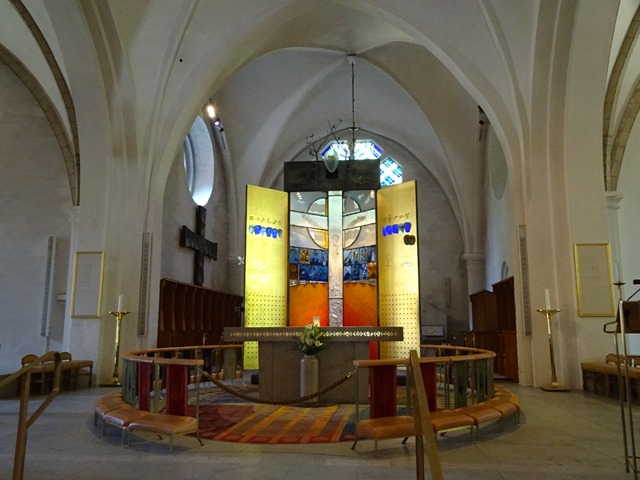
The huge altar-screen was made by one of our most famous glass designers, Bertil Vallien (2002). Entitled “Fiat Lux” and symbolising “from death to life, from darkness to light”. Absolutely packed with symbolism in all its intricate details.

DSC03716

DSC03718

Behind the altar piece, there are these beautiful stained glass windows (made by Jan Brazda in 1960)

DSC03721-001

A sculpture/candle tree in the north-west corner of the church, ‘The Tree of Life’ by Erik Höglund and Lars Larsson. This too is full of symbolism in all its details; and also serves as a holder for prayer candles.

InSPIREd Sunday

Through My Lens

Saturday, 4 August 2018

Weather Report

That Summer Heat

The Peanuts strip pretty much sums up why I haven’t been able to spend much time at the computer this past week… (Not that I have spent much time digging in the sand – but I have mostly been keeping very still in the coolest spots I’ve been able to find!!)

July beat all kinds of (hot) weather records both in Sweden as a whole and in my town and area. In Borås, on 31st July we had over 33’C in the daytime, and the average 24 h (day+night) temperature was the highest ever officially recorded for our town – 25,6’C. (I know: In some places on earth this is “nothing” – but we’re not used to it!)

Up in the North of Sweden they have got some rain during the past week to help control the forest fires. Down here in the south, August has started out a little cooler, but still extremely dry, with warnings for very high risk of fires. (All open fires and barbequeing strictly forbidden, even in private gardens.) In Borås, we had one clash of thunder followed by a few drops of gentle rain on Wednesday; but that literally wasn’t enough to wet anything. (I know, because I walked home from town in that shower, and I did not even have to change clothes when I got back home, as the sparse drops of rain that fell steamed right off me…)

To give you an idea what it looks like around here just now, here are some photos from my neighbourhood taken during the past week:

DSC04707

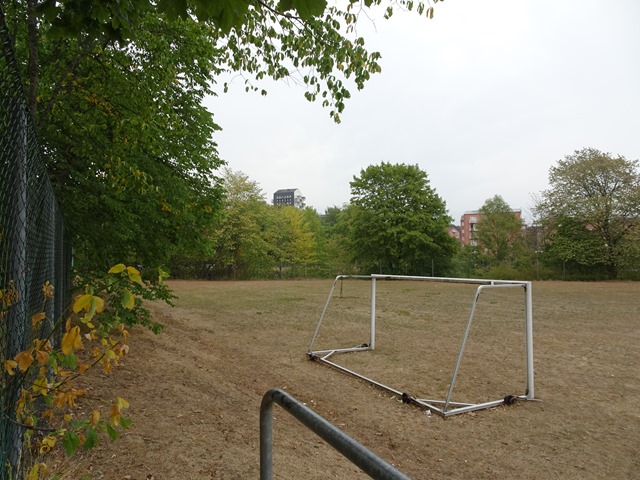
The football field close to where I live will serve as an example of every lawn that has not been irrigated.

DSC04730

DSC04731


A little park which is always lovely in the spring when the cherry trees are in bloom, but now…

DSC04709-001


180804_01

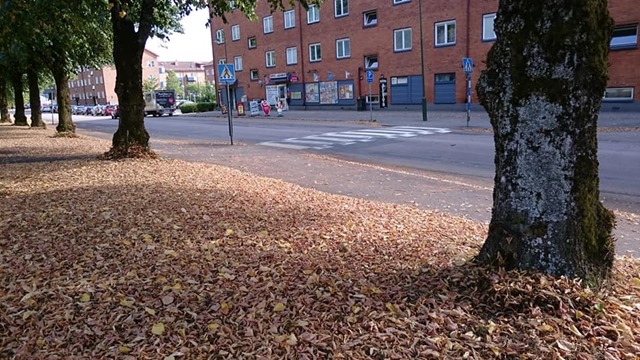
Dry leaves rattling around on the streets in the wind, making the sounds of autumn (much too early)

180804_02

DSC04723

DSC04721


The roses in our ‘Central Park’ do seem to be enjoying the sun, though – I suspect these have not been left completely without water…!

DSC04695

DSC04696

DSC04697

DSC04698


Thursday, 2 August 2018

Read in July 2018

 Code Girls audiobook cover art

  • Code Girls

  • The Untold Story of the American Women Code Breakers of World War II
  • By: Liza Mundy
  • Narrated by: Erin Bennett
  • Length: 14 hrs and 4 mins
  • Unabridged Audiobook


Code Girls is a book about women cryptographers in the US during World War II. More than ten thousand women in the U.S. were recruited by the the U.S. Army and Navy to move to Washington and learn the meticulous work of code-breaking. A strict vow of secrecy nearly erased their efforts from history; but through research and interviews with surviving code girls, Liza Mundy brings their stories to life. Liza Mundy, staff writer at the Washington Post, has won several awards for essays, profiles, and science writing. She lives in Arlington, Virginia. Arlington Hall was originally a girls' school, but during WWII it became headquarters of the United States Army's Signal Intelligence Service (SIS) cryptography effort, similar to Bletchley Park in England. Arlington Hall concentrated its efforts on the Japanese systems while Bletchley Park concentrated on what was going on in Europe.

Code Girls also reflects the changes in American women’s lives and rights during the war – including the rather remarkable “regress” after the war, when these women were supposed to go back to being “just housewives” again. The code girls were sworn to silence both while employed and for many years afterwards, and were not allowed to reveal to anyone what kind of qualified jobs they had really been doing during the war. It was generally believed that they had fulfilled some menial clerical function, while in fact they were responsible for many of the most important code breaking accomplishments that helped win the war.

When the previously classified information was finally declassified, the author Liza Mundy interviewed a number of the codebreakers and their families and researched the topic extensively. In most cases their husbands and families had no idea of the importance and complexity of the job they had been doing during the war.

I found the book very interesting but not the easiest read (or listen), as it is a mix of some more personal stories and a lot of facts. It was an enlightening read for me though, as I had never heard of this American equivalent of Bletchley Park before and did not know that so many American women were actively involved in WWII in this way. (Having heard mostly about the American pilots who came to over Europe before.)


In Farleigh Field: A Novel of World War II by [Bowen, Rhys]


  • In Farleigh Field

  • A Novel
  • By: Rhys Bowen
  • Narrated by: Gemma Dawson
  • Length: 11 hrs and 44 mins
  • Unabridged Audiobook
  • A novel set in Britain in the time of WWII – and also involving Bletchley Park.

    Publisher's Summary

    World War II comes to Farleigh Place, the ancestral home of Lord Westerham and his five daughters, when a soldier with a failed parachute falls to his death on the estate. After his uniform and possessions raise suspicions, MI5 operative and family friend Ben Cresswell is covertly tasked with determining if the man is a German spy. The assignment also offers Ben the chance to be near Lord Westerham's middle daughter, Pamela, whom he furtively loves. But Pamela has her own secret: She has taken a job at Bletchley Park, the British code-breaking facility.

    As Ben follows a trail of spies and traitors, which may include another member of Pamela's family, he discovers that some within the realm have an appalling, history-altering agenda. Can he, with Pamela's help, stop them before England falls?

    Rhys Bowen (alias for Janet Quin-Harkin; born in England but now living in the US) is an award-winning author of more than thirty mystery novels. I’m not sure if I ever heard of her before, though – until I happened to come across this title, and the summary caught my interest. I liked it well enough – but have to confess that after a couple of weeks, the details of the story are already escaping my memory, even if some “inner images” do remain in my mind. I think it might make a good TV-series…


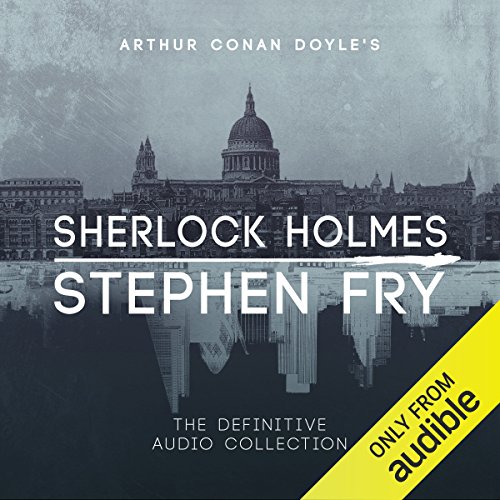
    Sherlock Holmes: The Definitive Collection  audiobook cover art

    I have also continued listening to Stephen Fry reading the complete collection of Sherlock Holmes stories; but as I keep falling asleep, I have to confess I’d have great difficulties trying to relate the intricate twists and turn of the individual stories (even if I read some of them before, way back in the past)… It’s a real delight listening to Stephen Fry reading them, though! His ability to subtly shift voices and dialects to represent various characters really is outstanding. The performance also includes Fry’s own enlightening introductions to each novel and collection of short stories.

    (This collection previously mentioned in my post Read in March)


    Related Posts Plugin for WordPress, Blogger...